Clear Your Gutters Before the First Rain Hits Discovery Bay
Why September, and why here
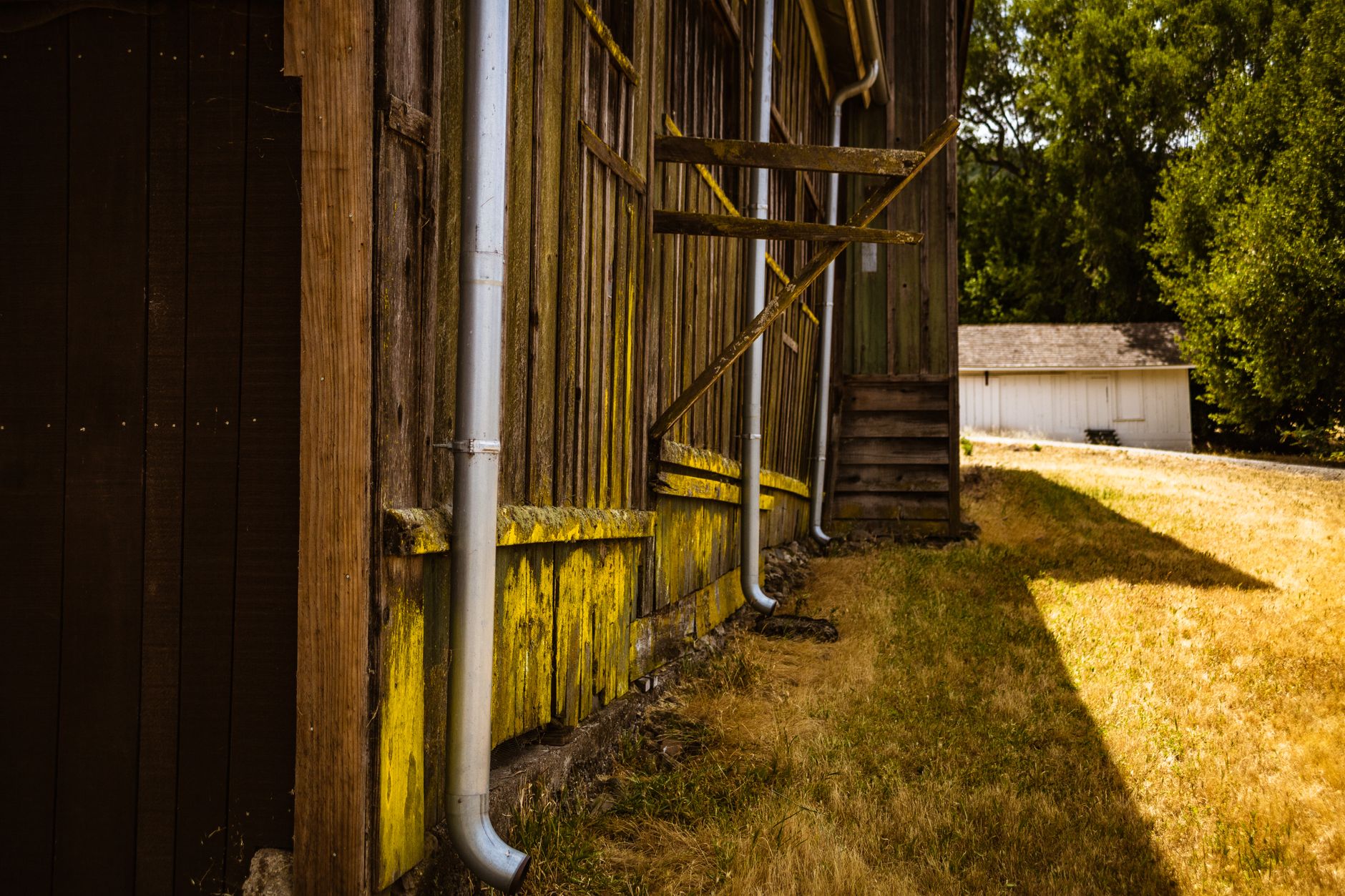
Of the roughly 4,800 parcels in Discovery Bay's housing record, 2,680 were built between 1980 and 1999. That puts a large share of the community's gutter systems at 25 to 45 years old — old enough for joints to separate, hangers to pull loose, and metal to fatigue in ways that aren't obvious from the ground. Add nearly 2,400 waterfront parcels where water has somewhere specific it should not go, and a blocked downspout becomes more than a nuisance. September is dry, the days are still long, and the first significant Delta rain is close enough to matter.
Discovery Bay's homes, from the record
| Built | Homes |
|---|---|
| 1960-1979 | 489 |
| 1980-1999 | 2,680 |
| 2000 or later | 1,205 |
| Single-family homes | 4,467 |
|---|---|
| Median lot | 7,200 sq ft |
| On an acre or more | 12 |
| Median size | 2,410 sq ft |
4,374 of 4,842 parcels in this market's record have a known build year.
What to clear
Leaves and seed pods are the obvious culprits, but the debris most likely to cause a blockage sits at the downspout throat, not in the middle of the run. Start there. Pull out any compacted material by hand before you flush anything with a hose — pushing a dense plug deeper rarely ends well. Work along the gutter run toward the high end, removing debris as you go. A small garden trowel and a bucket save time versus sweeping everything toward the downspout.
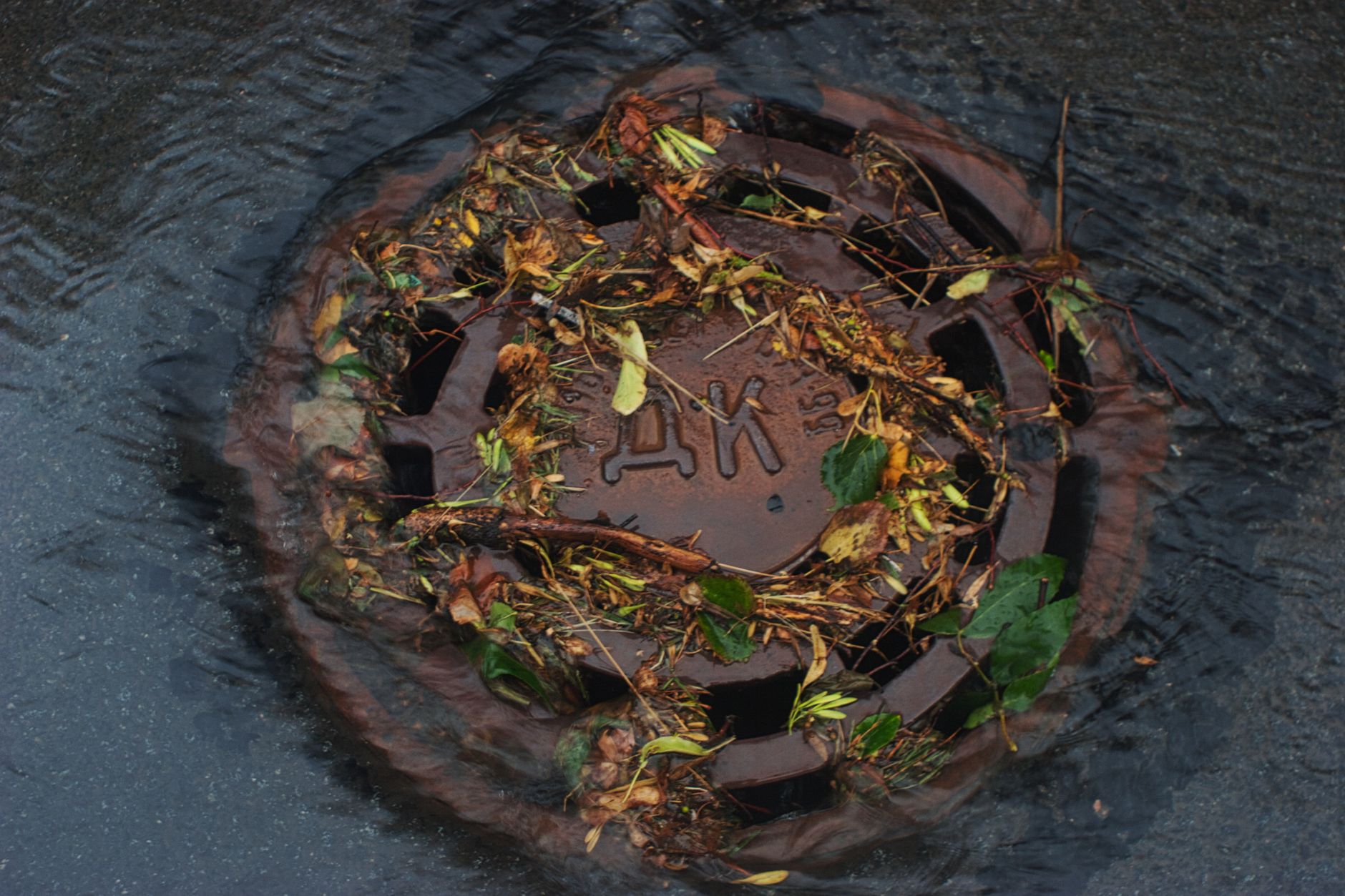
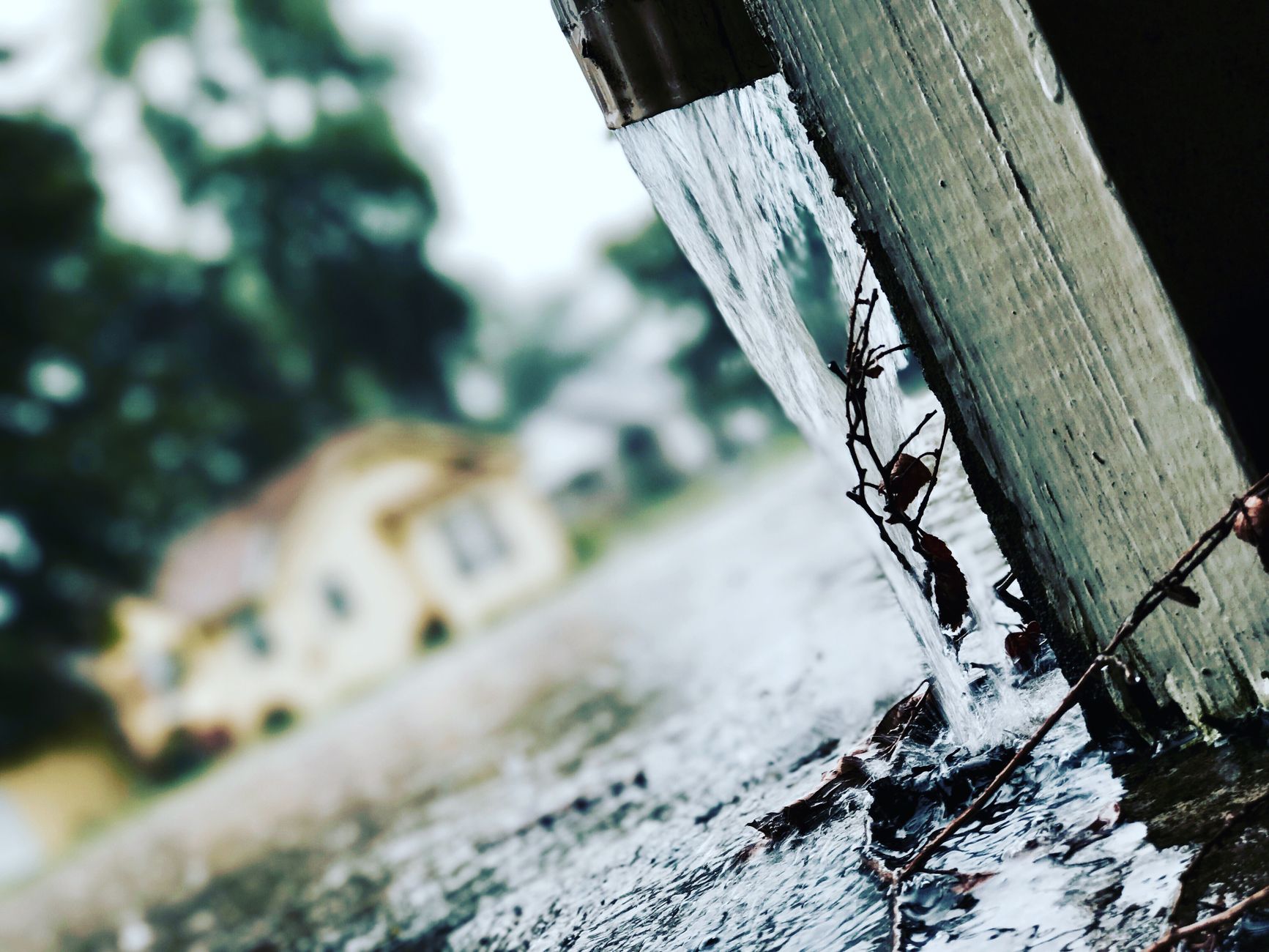
Once the channel is clear, run water from a hose at the high end and watch it move. It should reach the downspout outlet without pooling. Standing water in a clean gutter means the pitch has shifted, usually because a hanger has failed or the fascia behind it has softened.
What to look at while you are up there
The ladder trip costs the same whether you look carefully or not, so look carefully.
Hangers and spikes. Original construction in the 1980s often used long spikes through the gutter face into the rafter tail. Those spikes work loose over time. A gutter that rocks when you press it is not anchored. Screw-style hangers are the standard repair.
End caps and joints. These are the most common leak points on older sectional gutters. Look for rust staining on the fascia below each joint, or a faint white mineral line that marks where water has been running. Either sign means the sealant has failed.
The fascia itself. Press on the wood behind the gutter where it looks stained. Soft wood means moisture has been getting behind the gutter, probably for more than one season. A licensed contractor should assess how far the damage runs before you re-hang anything.
The roofline at the gutter edge. While you are at eave height, look back at the first few courses of shingles and the drip edge. Lifted or cracked shingles at the edge channel water behind the gutter instead of into it. An inspector or licensed roofing contractor is the right call for anything that looks questionable.
Downspout connections. On waterfront properties especially, check that every downspout is still connected at each joint. Delta wind events can separate slip-fit connections without leaving obvious damage at ground level.
Where the water should end up
This is the part Discovery Bay owners need to think about more carefully than most. Downspouts that terminate at grade should discharge onto a splashblock or into a buried drain, and the flow should move away from the foundation. On canal-front and lagoon-front lots, that direction matters: water should not sheet directly toward the water's edge, across a neighbor's property, or toward any levee structure.
If your downspouts currently empty into a buried pipe that you have never inspected, now is a reasonable time to run a hose and confirm the pipe actually drains. A blocked underground line backs up silently until it finds a way out through the soil, which on fill-based lots near the water is not a theoretical problem.
If you are unsure where your drainage is supposed to go, the Contra Costa County building department can tell you what the permit of record shows for your drainage. That is a more reliable starting point than guessing.
A practical sequence
- Clear debris by hand from the downspout throat first, then work along the run.
- Flush with a hose and confirm flow and pitch.
- Check hangers, joints, end caps and fascia for failure signs.
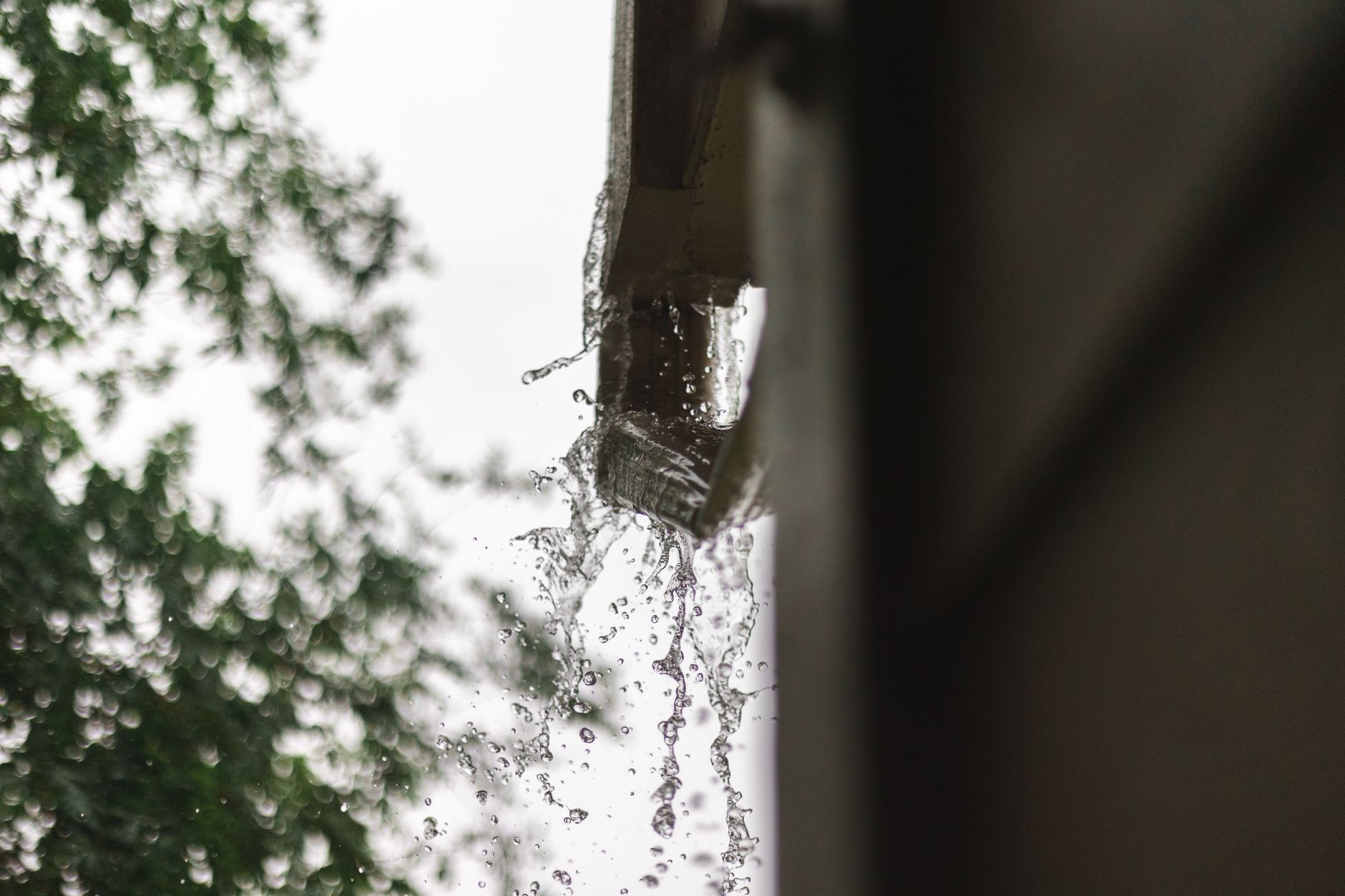
- Confirm every downspout discharges away from the foundation and, on water-adjacent lots, away from the water's edge.
- Note anything soft, separated or stained, and get a contractor to look before the rains arrive.
None of this takes a full day on a typical Discovery Bay lot. The window before the first real rain is short, and the repair queue at contractors fills quickly once the weather turns.
Tim McMullen · CA DRE #02016832
[email protected] · (415) 691-9272
More from Discovery Bay

4775 Discovery Pt Went Pending at $1.5M — About Double the City Median
No new listings, no recorded closings. The only move on September 30 was a single-family home at 4775 Discovery Pt going pending at $1,499,990.

New Delta-front home hits Discovery Bay market on September 29
4125 Beacon Pl came on at $1,199,990. The rest of the day was silent — no contracts signed, no sales recorded.

Who Maintains Discovery Bay's Levees — and What Owners Pay Toward Them
Nearly half of Discovery Bay's parcels sit on or beside water held back by levees managed by multiple overlapping agencies. Here is who does what, and how owners fund it.