Who Maintains Discovery Bay's Levees — and What Owners Pay Toward Them
The number that puts this in context
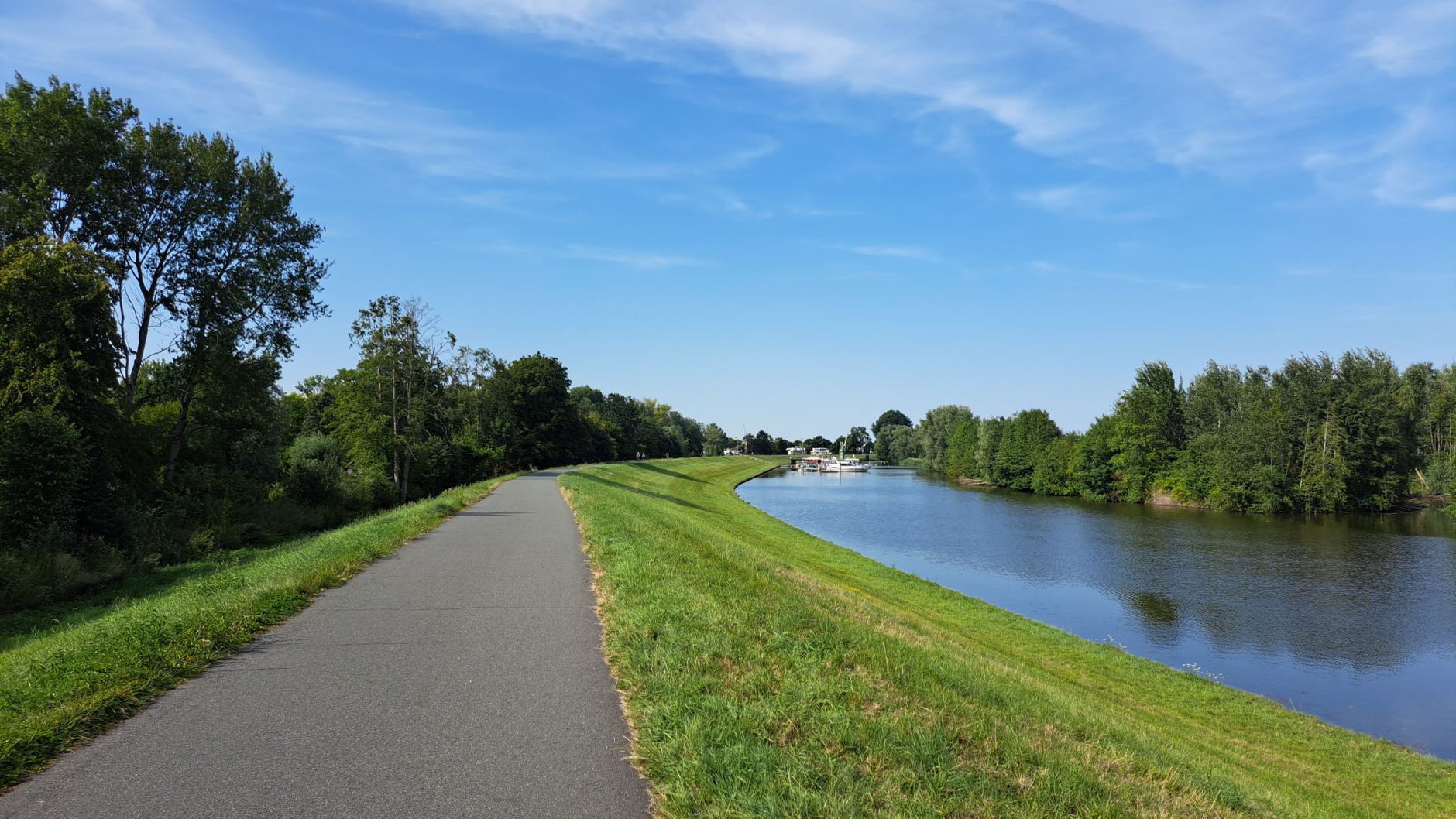
Of the 4,842 parcels in Discovery Bay's parcel record, 2,380 are waterfront. The community itself was carved out of the Sacramento–San Joaquin Delta, which means the land exists largely because levees keep it dry. Knowing which agency is responsible for which stretch of earthwork — and what owners pay toward it — is as basic to ownership here as knowing who fixes the roof.
Discovery Bay's homes, from the record
| Built | Homes |
|---|---|
| 1960-1979 | 489 |
| 1980-1999 | 2,680 |
| 2000 or later | 1,205 |
| Single-family homes | 4,467 |
|---|---|
| Median lot | 7,200 sq ft |
| On an acre or more | 12 |
| Median size | 2,410 sq ft |
4,374 of 4,842 parcels in this market's record have a known build year.
Reclamation District 800: the primary maintainer
The agency that does the physical levee work in and around Discovery Bay is Reclamation District 800 (RD 800), also known as the Byron Tract. RD 800 is responsible for the operation and maintenance of nearly 19 miles of levees protecting 7,000 acres of agricultural, urban, commercial and industrial land in and around Discovery Bay.
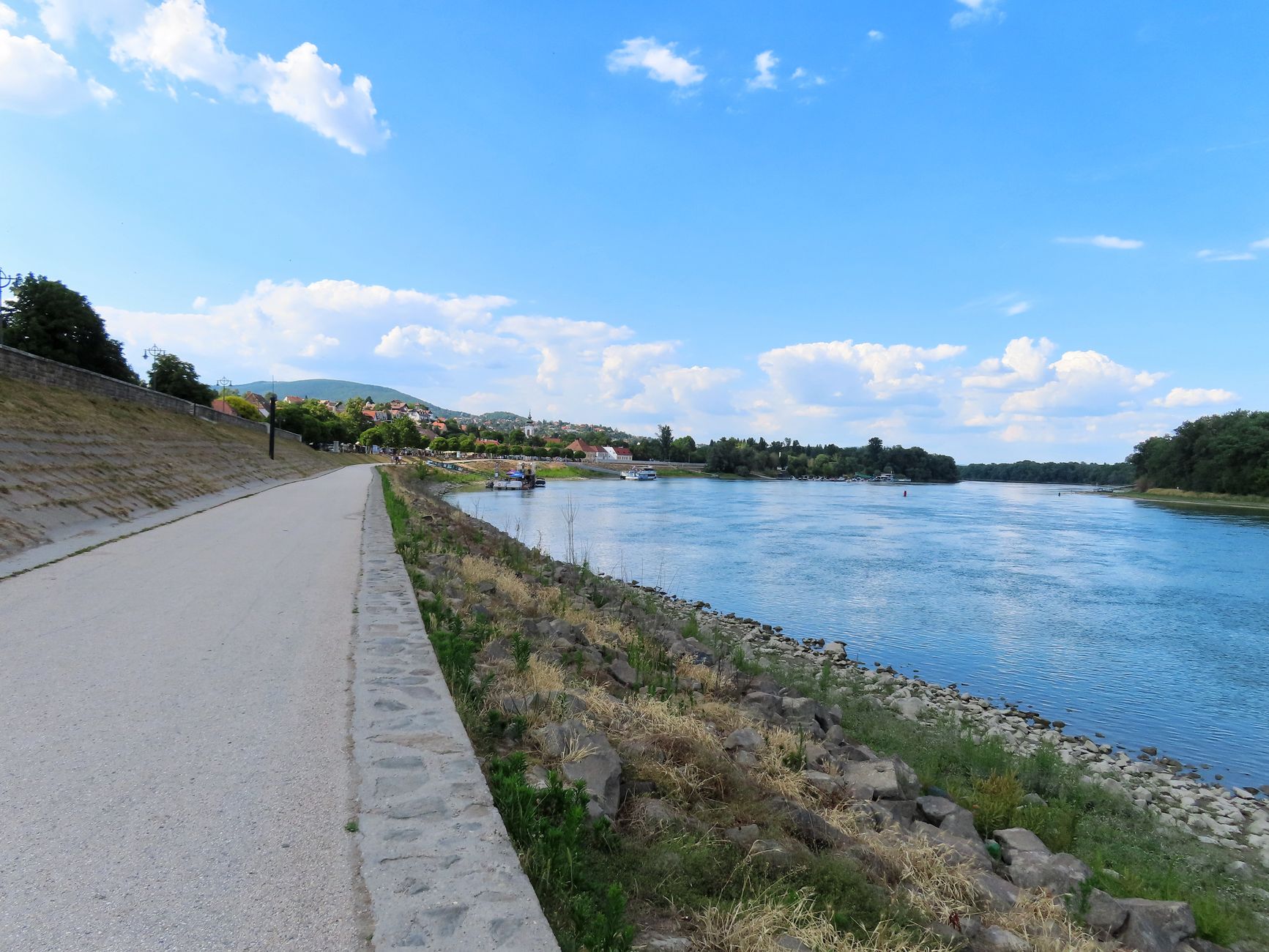
The district evaluates levees to ensure they meet state and federal guidelines for a minimum of 100-year flood protection, supervises design and construction of levee improvements or repairs, manages drainage and water circulation within Discovery Bay's lakes and lagoons, and reviews residential and commercial construction on and around levees and slopes.
The district is governed locally. Property owners within RD 800's service area pay a modest annual assessment for these services, and they elect a five-member Board of Trustees to manage the district's approximately $1 million annual operating budget. The assessment appears on your Contra Costa County property tax bill. Because Discovery Bay is unincorporated, there is no city government involved — this is a county-area special district, and the elected trustees are the decision-makers.
A second district: Discovery Bay Reclamation and Drainage Maintenance District
A separate entity — the Discovery Bay Reclamation and Drainage Maintenance District — also appears on California State Controller records as a Contra Costa special district. The Controller's roster confirms it is a distinct agency from RD 800. Its specific scope of jurisdiction overlaps with drainage maintenance inside the community. Check your tax bill and the Contra Costa County LAFCO records to confirm which districts encumber your specific parcel; in an area this layered, more than one assessment is common.
The county context: non-project levees, locally funded
A Contra Costa County Grand Jury report examined all Delta levees within the county and found that all of the county's levees are non-federal levees, and the only non-federal levees in the county that qualify for participation in the Army Corps of Engineers' Rehabilitation and Inspection Program are in Holland and Byron Reclamation Districts. That matters practically: it limits federal repair eligibility after a flood event.
The same report confirmed how these structures have historically been financed: non-project levees were constructed, enlarged, and maintained over the last 130 years by local reclamation districts, which are locally funded by parcel tax assessments and governed by locally-elected boards.
The grand jury also noted that the only levees in the county independently evaluated for structural integrity are those in Reclamation Districts 800 and 2026. For Discovery Bay owners, that means RD 800's levees receive a level of independent review that not every Delta district's levees do — a point worth understanding when evaluating flood risk.
State money: the DWR Subventions Program
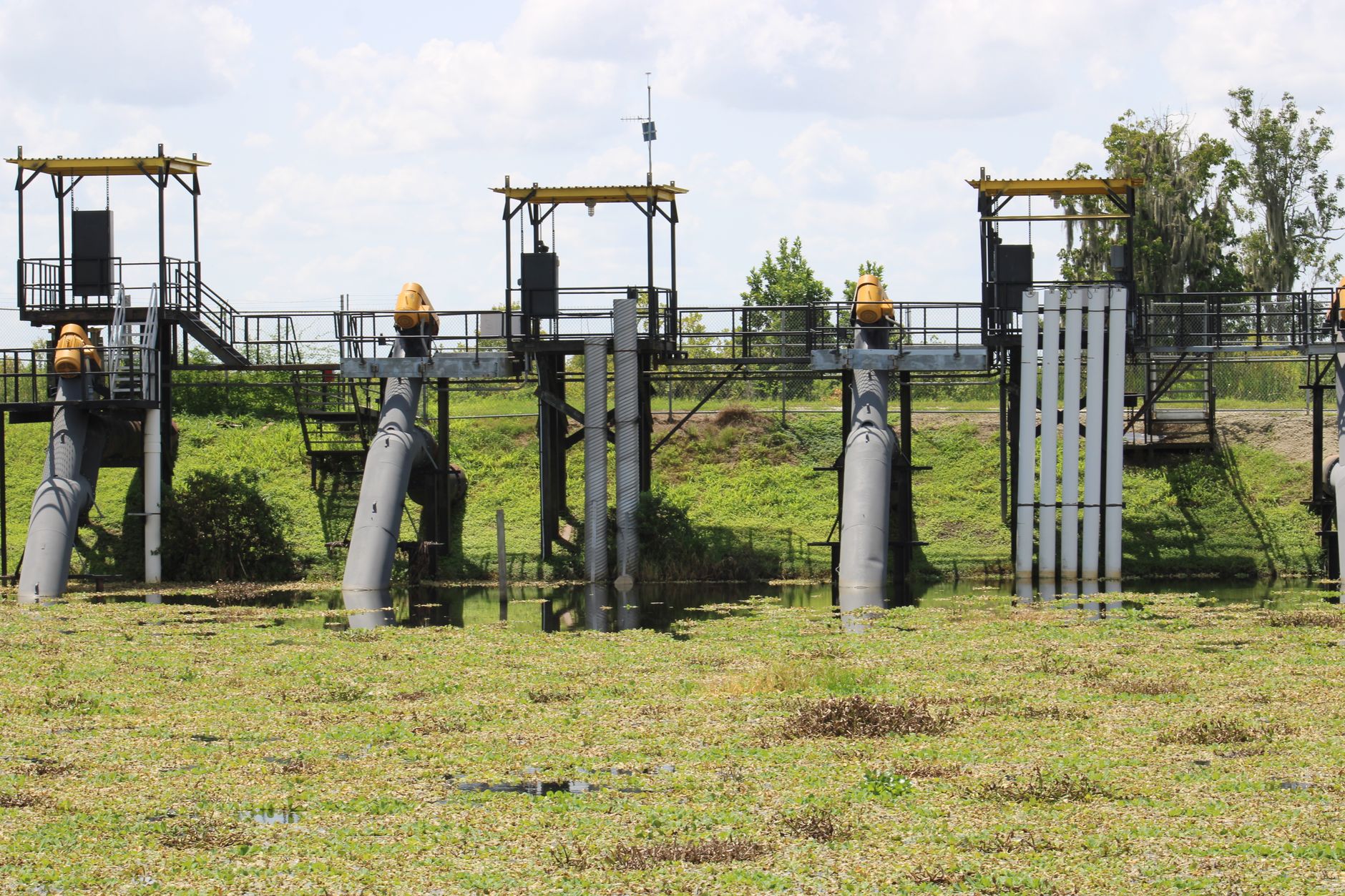
Local assessments do not cover the full cost of maintaining aging Delta levees. The state contributes through two programs administered by the California Department of Water Resources (DWR) and the Central Valley Flood Protection Board (CVFPB).
The Delta Levees Maintenance Subventions Program provides funding on a cost-share basis to local levee maintaining agencies for rehabilitation and maintenance of levees in the Delta. The Subventions Program provides technical and financial assistance to about 70 local maintaining agencies; local agencies are responsible for the first $1,000–$2,500 per levee mile, based on whether the levee is rural or urban, and the program reimburses up to 75% of eligible costs.
DWR, along with the CVFPB, also administers the Delta Levees Special Flood Control Projects program to cost-share major levee improvements with local maintaining agencies, such as reclamation districts.
Levee Maintaining Agencies and Reclamation Districts in the Legal Delta may apply for state funding either through the project solicitation process or by requesting a directed action. RD 800's eligibility for this state cost-share is part of what makes the district's roughly $1 million budget go further than it would otherwise.
What an owner needs to know
Your obligations as an owner are primarily three:
- Know which districts encumber your parcel. Look at your Contra Costa County tax bill. RD 800 is the likely assessor, but the Discovery Bay Reclamation and Drainage Maintenance District may appear separately depending on location.
- Get RD 800 approval before you build near a levee. The district reviews construction on and around levees and slopes. That review is separate from any county building permit. Contact RD 800 before planning any project on or adjacent to a levee.
- Understand your flood insurance position. RD 800 is responsible for keeping the levees at or above 100-year flood protection standards, but FEMA flood maps and flood insurance status are determined by FEMA — not by the district. Check your current flood zone designation directly with FEMA's Flood Map Service Center.
The Contra Costa County Grand Jury noted that levee management requires regular and frequent physical inspections of the levees and immediate attention to trouble spots. That work is RD 800's job, not yours — but the assessment on your tax bill is how it gets funded.
Where to check
- Reclamation District 800 — Town of Discovery Bay CSD page: RD 800's responsibilities, governance, and contact
- DWR Delta Levees Maintenance Subventions Program: state cost-share program rules and guidelines
- DWR Delta Levees Special Flood Control Projects: major improvement funding program
- California State Controller Special Districts — Discovery Bay Reclamation and Drainage Maintenance District: confirms the district's existence and filing history
- Contra Costa County Grand Jury Report 1607 (Delta Levees): county-level findings on levee conditions, inspection, and funding
Tim McMullen · CA DRE #02016832
[email protected] · (415) 691-9272
- https://todb.ca.gov/reclamation-district-800
- https://contracosta.courts.ca.gov/system/files?file=1607_reportsigned_0.pdf
- https://water.ca.gov/Work-With-Us/Grants-And-Loans/Delta-Levees-Maintenance-Subventions
- https://water.ca.gov/Work-With-Us/Grants-And-Loans/Delta-Levees-Special-Flood-Control-Projects
- https://deltacouncil.ca.gov/pdf/council-meeting/public-comments/2019-08-19-california-central-valley-flood-control-association.pdf
- https://gcc.sco.ca.gov/Reports/SpecialDistricts/SpecialDistrict.aspx?entityid=1633&year=2021
More from Discovery Bay
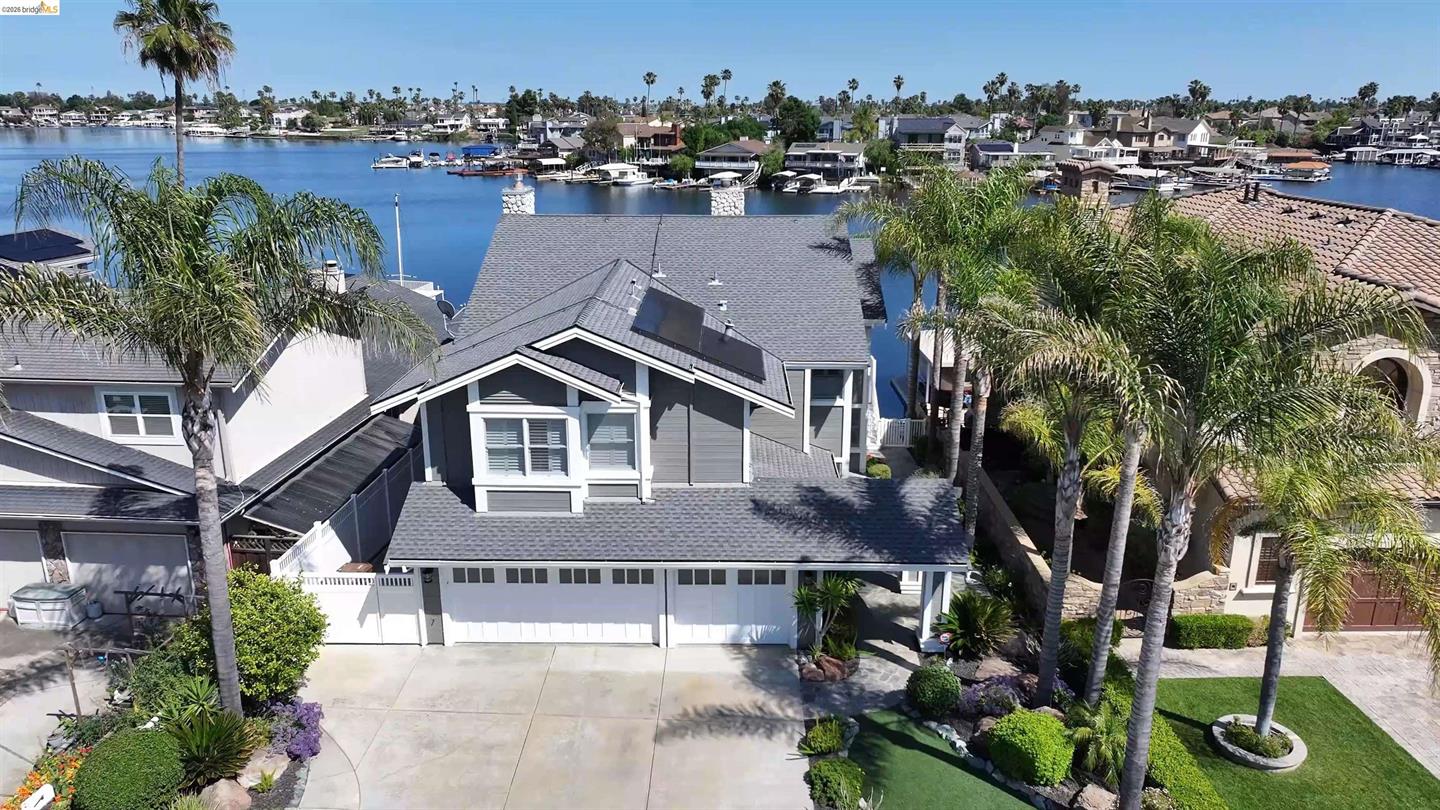
4775 Discovery Pt Went Pending at $1.5M — About Double the City Median
No new listings, no recorded closings. The only move on September 30 was a single-family home at 4775 Discovery Pt going pending at $1,499,990.
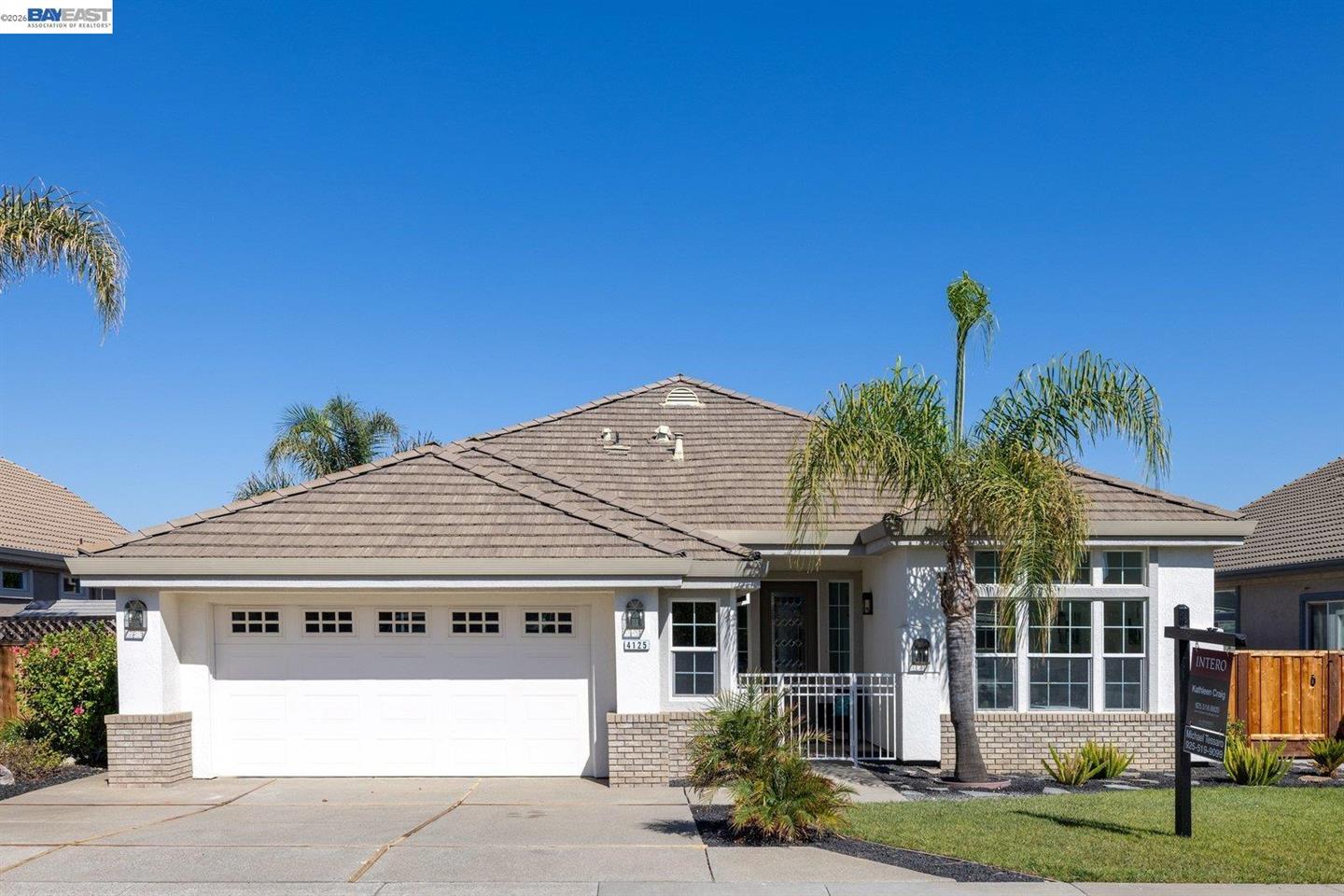
New Delta-front home hits Discovery Bay market on September 29
4125 Beacon Pl came on at $1,199,990. The rest of the day was silent — no contracts signed, no sales recorded.

Your Discovery Bay Dock Has Three Landlords — and None of Them Are You
Nearly half of Discovery Bay's parcels sit on the water. Before you replace a piling or rebuild a float, here is who actually controls what you can do — and what wears out fastest.