Your Discovery Bay Dock Has Three Landlords — and None of Them Are You
Nearly Half the Parcels Here Touch the Water
Of the 4,842 parcels tracked in this market, 2,380 are waterfront. That is a lot of private docks sitting over channels that, legally, belong to the public. Understanding who regulates work on those docks — and what degrades first — is practical knowledge every waterfront owner needs before the next repair bill arrives.
Discovery Bay is unincorporated. Building rules here are written and enforced by Contra Costa County, not a city government. Keep that in mind whenever you hear advice based on what a neighboring incorporated city does.
Discovery Bay's homes, from the record
| Built | Homes |
|---|---|
| 1960-1979 | 489 |
| 1980-1999 | 2,680 |
| 2000 or later | 1,205 |
| Single-family homes | 4,467 |
|---|---|
| Median lot | 7,200 sq ft |
| On an acre or more | 12 |
| Median size | 2,410 sq ft |
4,374 of 4,842 parcels in this market's record have a known build year.
What Wears Out, and Why
The Sacramento-San Joaquin Delta has brackish water, tidal currents, and boat wakes year-round. All three attack dock components from different directions.
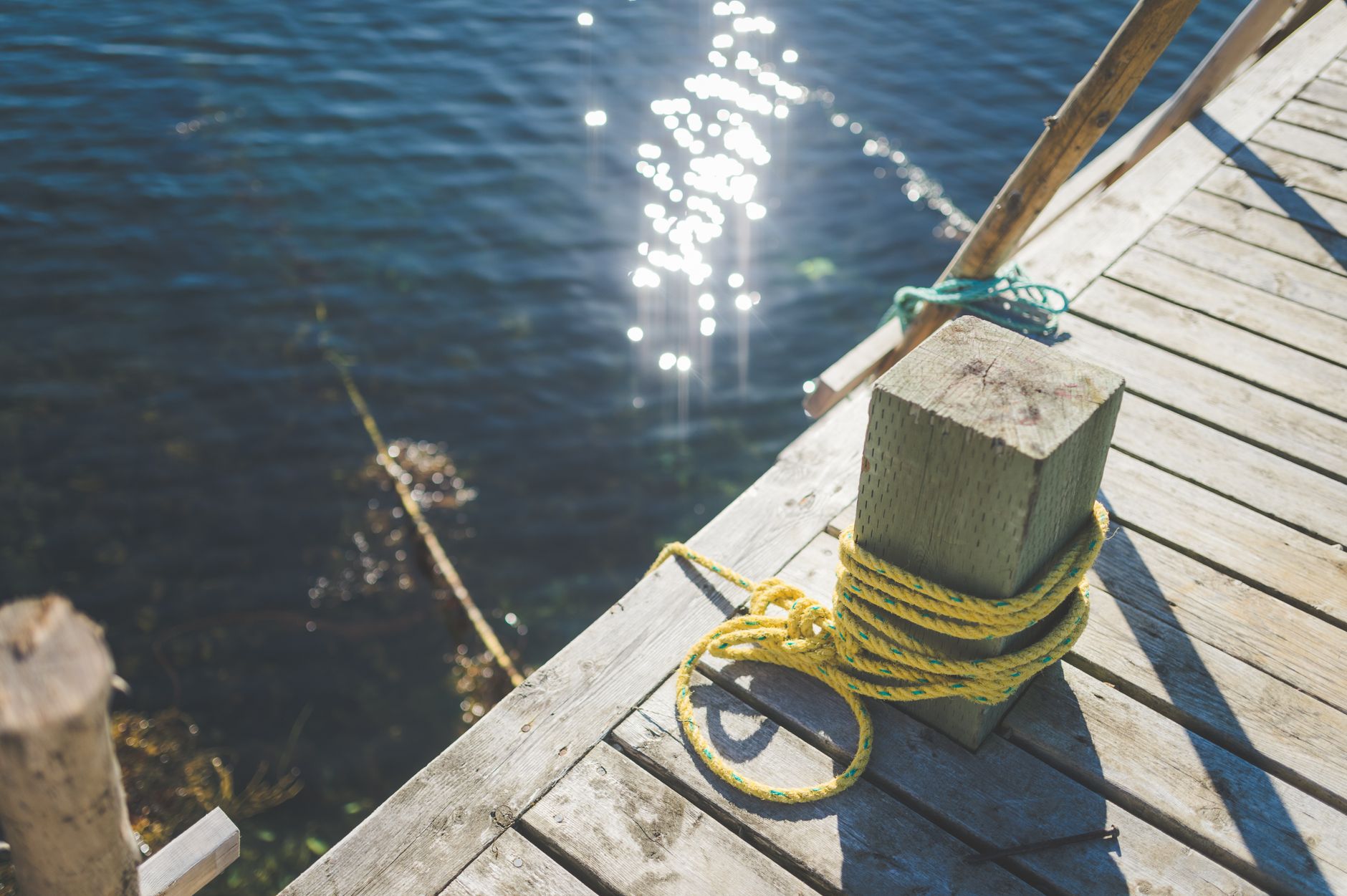
Pilings take the worst of it. Wood pilings are vulnerable to marine borers — organisms that tunnel through submerged timber — and to the fungal decay that begins at the waterline where wood cycles between wet and dry. Steel pilings corrode; concrete pilings chip at connections and crack where rebar is shallow. A piling that looks sound above the waterline may be compromised below it. The only way to know is an underwater inspection by a licensed marine contractor or diver.
Dock floats lose buoyancy as foam cores absorb water over time. Decking — especially wood — checks, splinters, and traps standing water that accelerates rot. Fasteners corrode and loosen. Cleats pull free from decking that has softened beneath them.
Gangways pivot on hinges that corrode and bind. The aluminum frames hold up better than wood, but the hinge pins and roller wheels at the dock end are the first things to fail.
Seawalls and bulkheads are a different conversation. Concrete or steel sheet-pile bulkheads along the levee-backed lots are subject to hydrostatic pressure from soil on one side and tidal fluctuation on the other. Weep holes plug with sediment. Tie-back rods corrode internally where you cannot see them. A bulkhead that shows visible bowing or cracking at the cap deserves immediate attention from a licensed structural or geotechnical engineer, not a watch-and-wait approach.
The Owner's Walking Inspection
You do not need a contractor to do a first-pass check a few times a year. Work from dry to wet:
- Bulkhead cap and face. Look for new cracks, spalling, or any horizontal bowing along the face. Note any soil slump behind the cap.
- Gangway hardware. Test the hinge — it should swing freely. Check the roller at the dock end for flat spots or binding.
- Dock decking. Walk the float and probe soft-looking boards with a screwdriver; sound wood resists, rotten wood gives. Check that cleats are still bolted through the decking rather than just into surface screws.
- Piling tops. Look for fresh splits, checking, or dark staining that suggests decay has started. Discoloration at the waterline is a flag.
- Below the waterline. This is where an owner's inspection ends. Hire a licensed diver or marine contractor for an annual underwater inspection of piling condition, float underside, and any anchor chains or cables.
Document what you find with dated photographs. If you ever need a permit for repairs, a maintenance record is evidence that you managed the structure proactively.
Who Issues the Permits
This is where waterfront ownership gets complicated — and where getting it wrong is expensive.
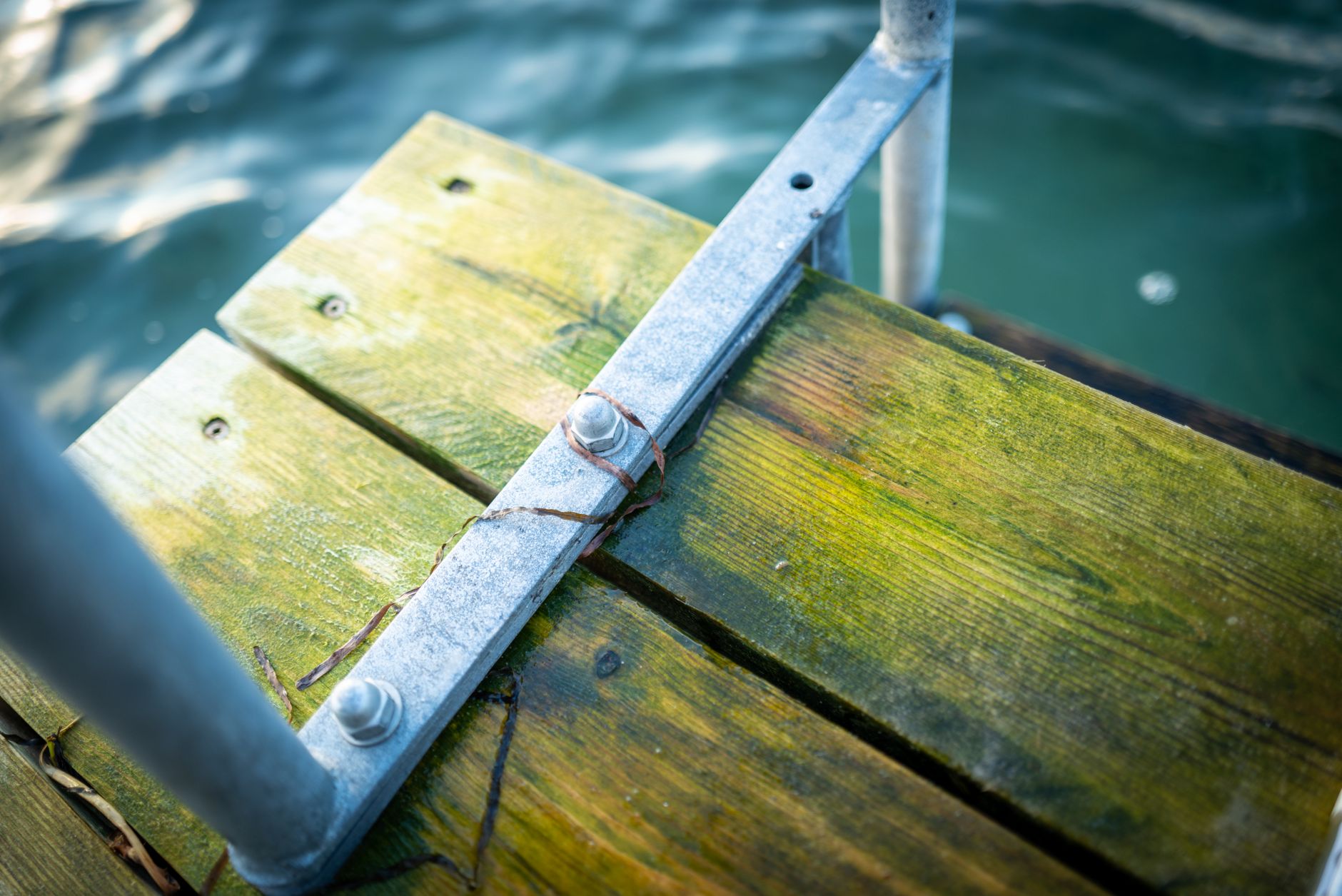
Contra Costa County — Department of Conservation and Development. Because Discovery Bay is unincorporated, the county is the local building authority. The county's own permit list explicitly includes docks alongside decks, pools, and structural repairs. Any new dock, dock addition, or structural repair to a dock will need a county building permit submitted through the county's ePermits Center. Plans, structural calculations, and in most cases architectural drawings will be required. Contact the Department of Conservation and Development at 925-655-2700 with questions before you design anything.
California State Lands Commission. The channels running through Discovery Bay are navigable waterways. The beds of those waterways are sovereign land — state-owned since California's admission to the Union in 1850. Any structure built on or over those beds — meaning any dock float, piling, or gangway that extends over the channel bottom — is an occupancy of state land that likely requires a lease from the State Lands Commission. The Commission issues leases for private docks and piers and uses a benchmark rental system for that category of use. Processing time the Commission has described runs from six months to several years depending on project complexity. Start this process before you design, not after.
U.S. Army Corps of Engineers — Sacramento District. Federal law under Section 10 of the Rivers and Harbors Act of 1899 requires a permit for any structure built in, over, or under navigable waters of the United States — a category that explicitly covers the Delta waterways at Discovery Bay. That coverage applies, as the law states, to structures from the smallest floating dock on up. Work involving discharge of fill material would also trigger Section 404 of the Clean Water Act. The Sacramento District's Regulatory Division handles both. Contact them at (916) 557-5250 or at spk.usace.army.mil.
Those three agencies — county, state, federal — are not sequential. Their reviews can run in parallel, and approval from one does not substitute for the others. Many owners start with the county permit because it is local and visible, then discover the state and federal requirements mid-project. Plan for all three from the first conversation with your contractor.
A Note on Existing Docks Without Paperwork
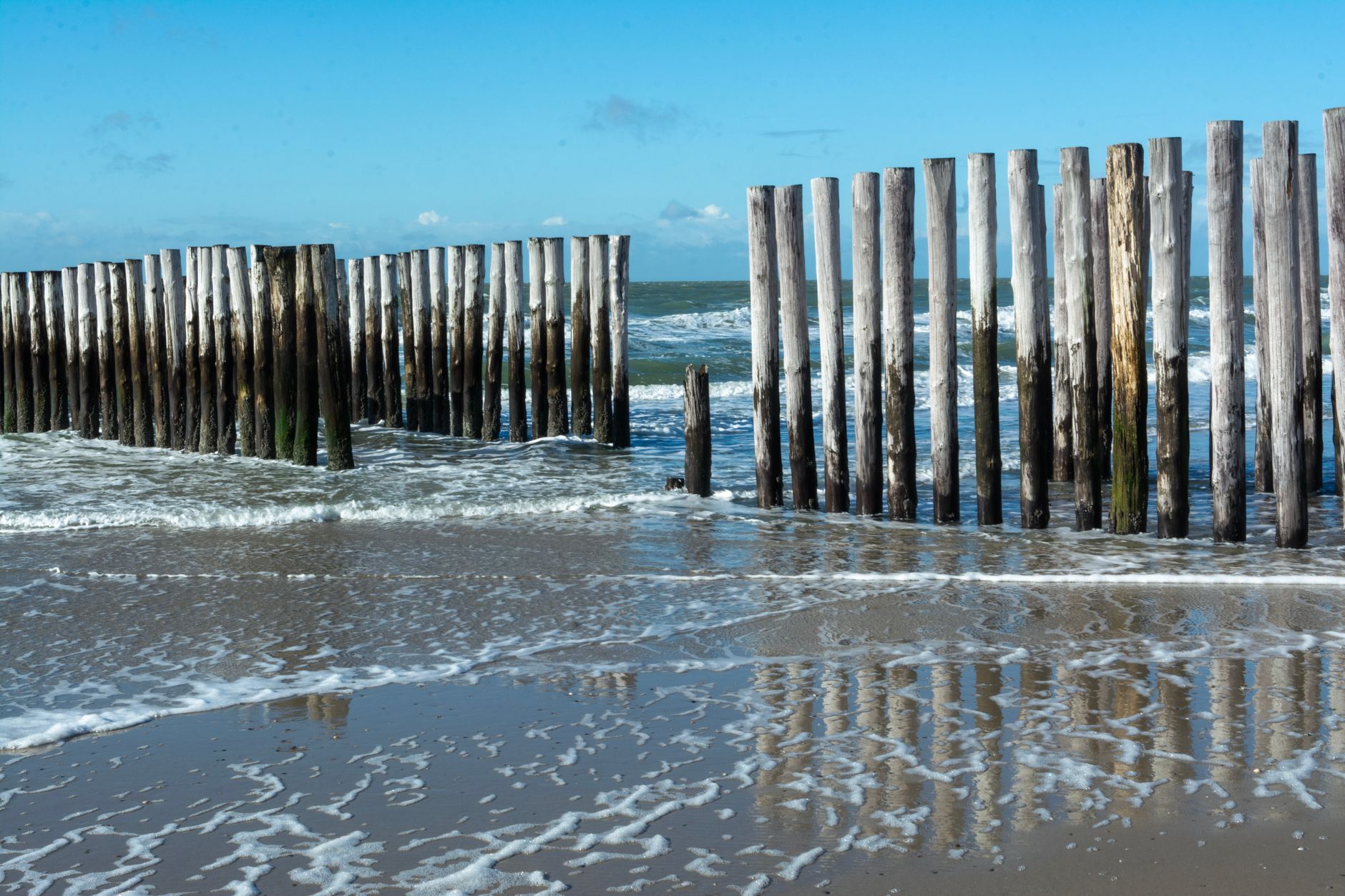
Discovery Bay's housing stock is largely from the 1980s and 1990s — the median build year in this market is 1989. Docks that went in during that era may predate current state and federal permit requirements or may have been built without the full stack of approvals. If you are buying a waterfront property or inheriting an old dock, it is worth asking an attorney who works in waterfront or real property law whether any existing structure has the required county, state, and federal authorization. An unpermitted structure can become your liability the moment title transfers.
Where to Check
- Contra Costa County ePermits Center — building permit application portal for all unincorporated county projects including docks
- Contra Costa County DCD Permit Information — what requires a permit, who can apply, code references
- California State Lands Commission — Leases & Permits — lease application process for structures on sovereign land; application portal and filing fee information
- California State Lands Commission — Benchmarks — how the Commission sets rent for private docks and piers (Category 1 benchmark)
- USACE Sacramento District Regulatory Program — Section 10 and Section 404 permit information for navigable waters in the Delta
- EPA — Section 10 of the Rivers and Harbors Act — federal statutory authority for structures in navigable waters
Tim McMullen · CA DRE #02016832
[email protected] · (415) 691-9272
- https://www.contracosta.ca.gov/9972/Permit-Portal
- https://www.contracosta.ca.gov/7947/Permit-information
- https://www.contracosta.ca.gov/7863/Applying-for-a-Building-or-Grading-Permi
- https://www.slc.ca.gov/leases-permits/application-process/
- https://www.slc.ca.gov/leases-permits/benchmarks/
- https://www.slc.ca.gov/faqs/
- https://www.epa.gov/cwa-404/section-10-rivers-and-harbors-appropriation-act-1899
More from Discovery Bay
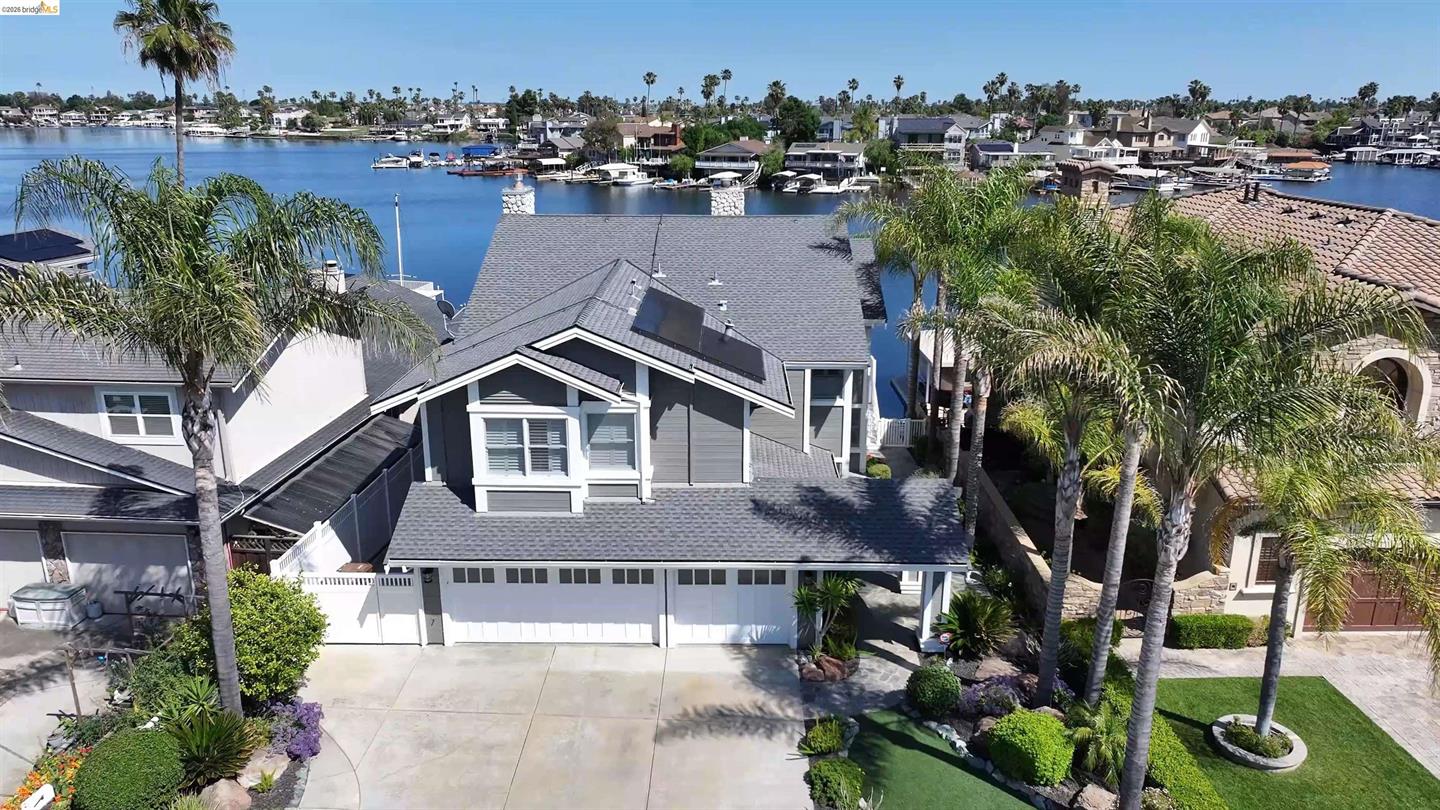
4775 Discovery Pt Went Pending at $1.5M — About Double the City Median
No new listings, no recorded closings. The only move on September 30 was a single-family home at 4775 Discovery Pt going pending at $1,499,990.
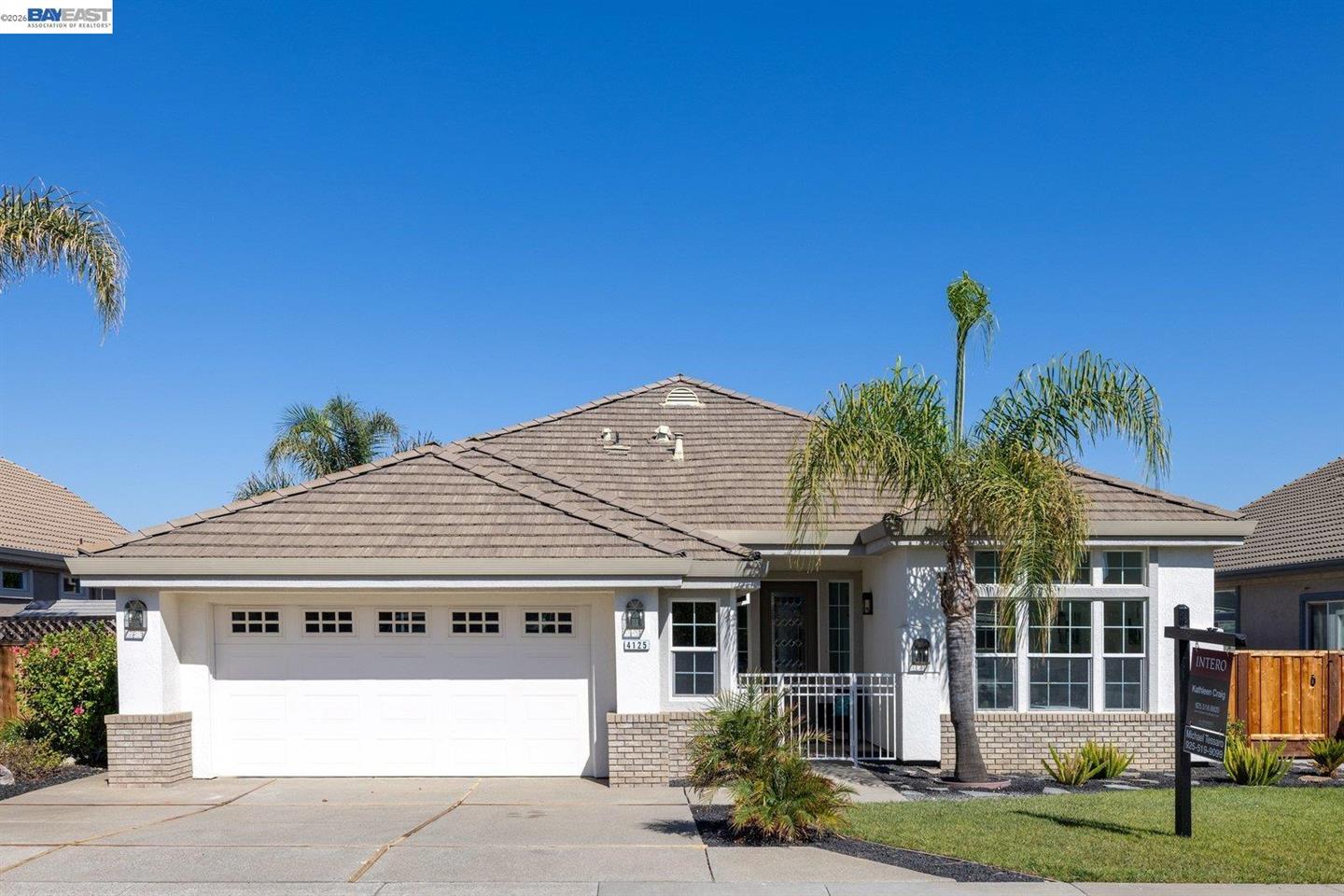
New Delta-front home hits Discovery Bay market on September 29
4125 Beacon Pl came on at $1,199,990. The rest of the day was silent — no contracts signed, no sales recorded.
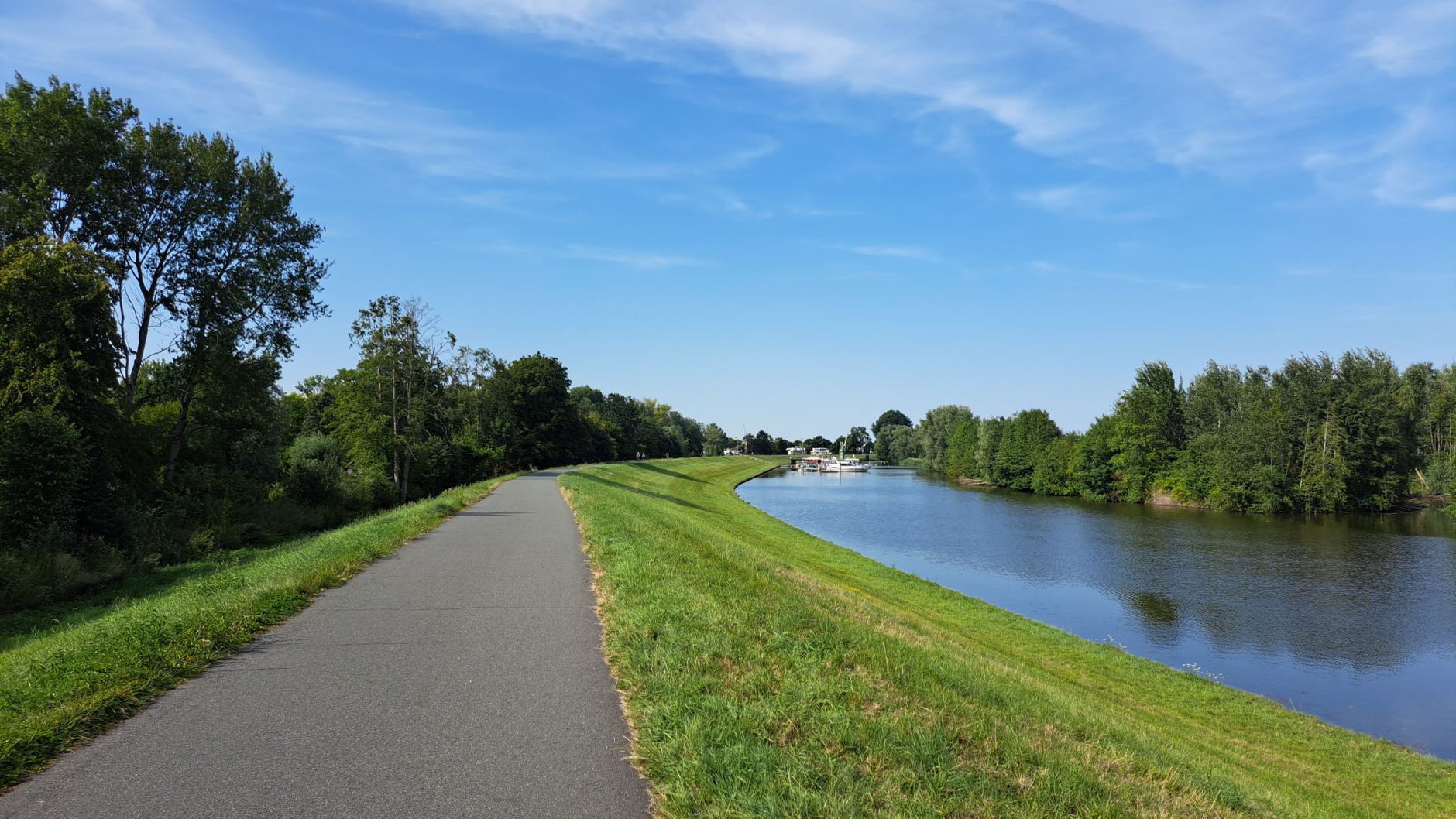
Who Maintains Discovery Bay's Levees — and What Owners Pay Toward Them
Nearly half of Discovery Bay's parcels sit on or beside water held back by levees managed by multiple overlapping agencies. Here is who does what, and how owners fund it.